This project involved the structural concept and preliminary design of a 32-storey commercial tower in Sydney CBD. The project included designing the foundation on sandstone, building a reinforced concrete core and steel bracing systems for lateral stability, developing three different types of floor systems (post-tensioned, composite steel, and mass timber), and building a 25 m architectural roof structure.
The design process was all about making sure the load path was clear, the building could withstand wind and earthquakes according to AS1170, and checking its strength and serviceability, as well as taking into account how easy it would be to build. The project is a good example of a whole-system approach to designing high-rise buildings, balancing efficiency, ease of construction, and material performance.
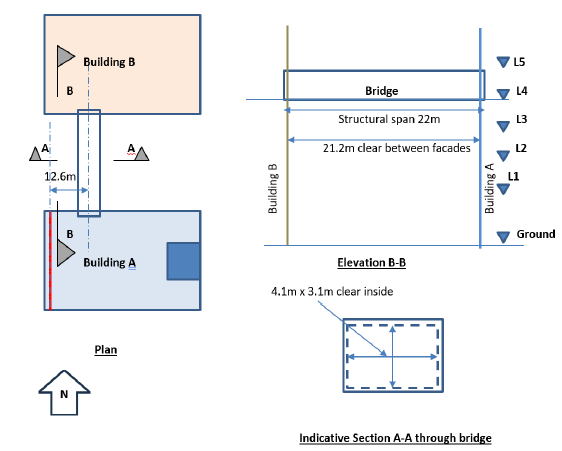
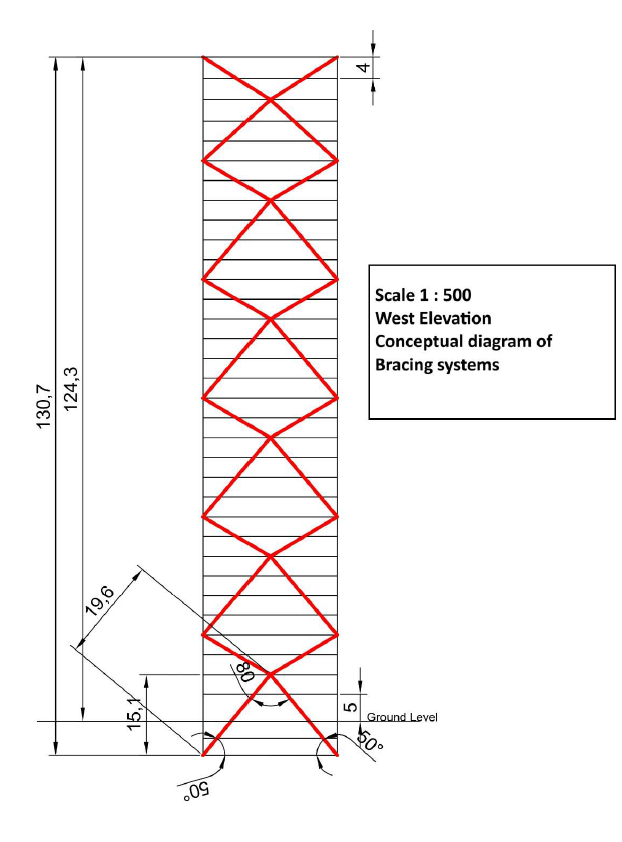
Figure.1 Layout and Elevation of the commercial tower.
Design Scope
Foundations
Raft base on sandstone
CFA piles with rock sockets
Checks for uplift and tension piles
The idea of basement retention
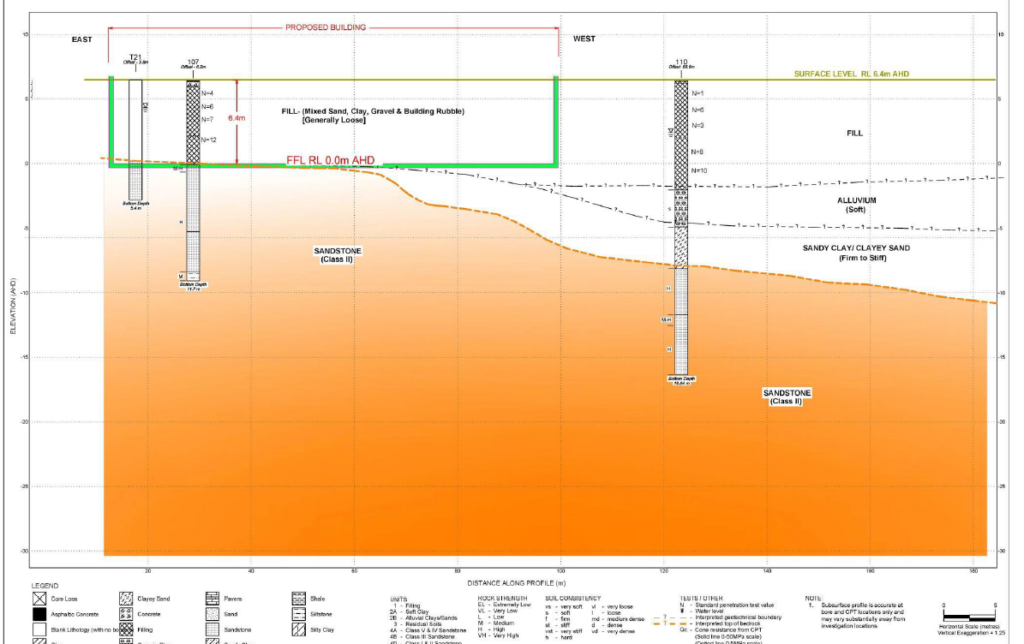
Figure.2 Geotechnical Cross-section
Lateral Stability
Wind design (AS1170.2)
Seismic base shear (AS1170.4)
RC core and steel bracing system
Core stress tests when the core flips over
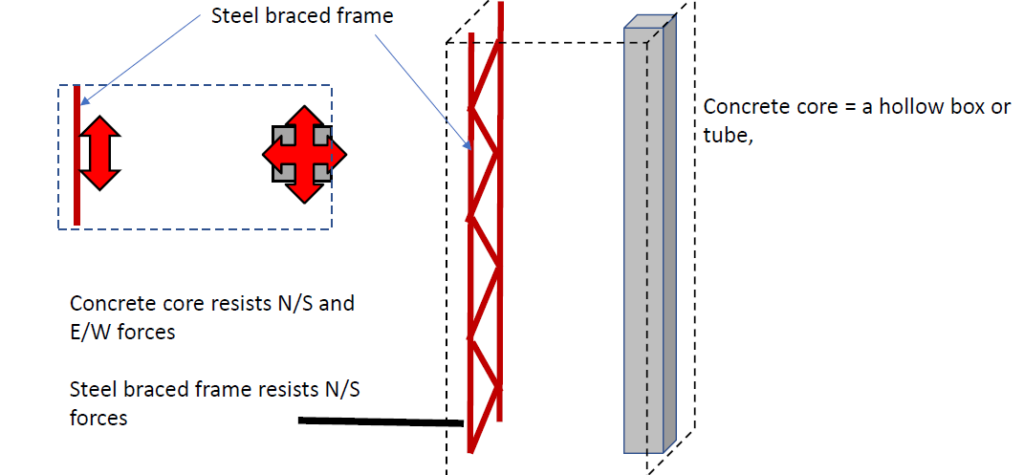
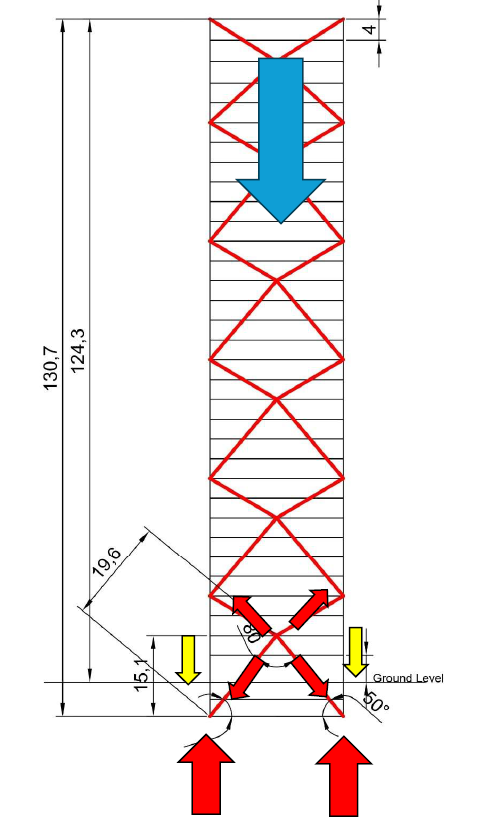
Figure.3 Lateral Stability Elements
Systems for the Floor
Multi-system floor design comparison (P/T, steel composite, mass timber).
Rooftop Canopy
Consideration of uplift wind
Integration of architecture and structure
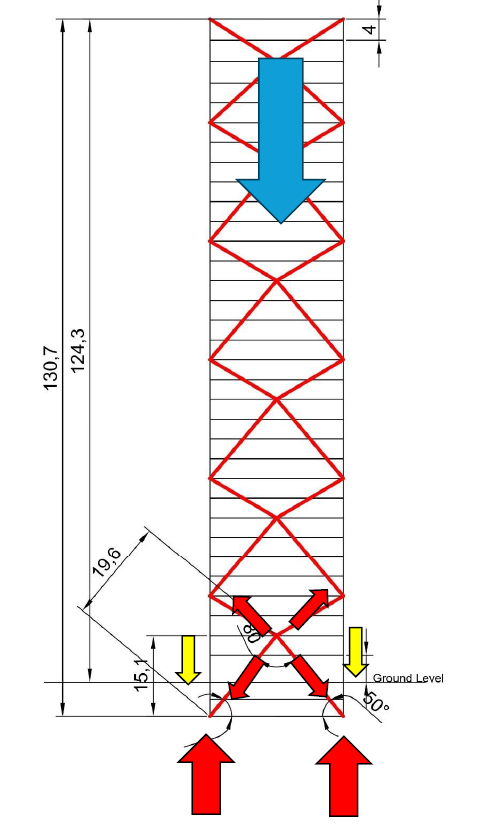
Figure.3 Lateral Stability Elements
Foundation Strategy
The tower foundation system was designed to suit sandstone bedrock conditions in Darling Harbour. A reinforced concrete raft foundation was analysed for vertical load and wind overturning effects, verifying full compression under service loads.
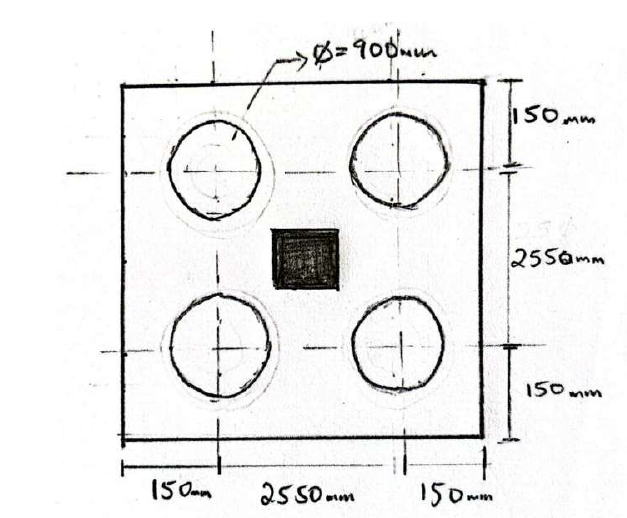
For heavily loaded columns and braced-frame elements, 900 mm diameter CFA piles with 1.5 m rock sockets were designed to resist both compression and uplift forces. Pile capacity checks included shaft adhesion and end bearing resistance.
Basement retention was addressed using a hybrid system of secant and contiguous bored pile walls with ground anchors to control lateral earth pressures and groundwater intrusion in the dense CBD environment.
Figure.5 Four-pile cap foundation layout (Ø900 mm CFA piles).
Lateral Stability System
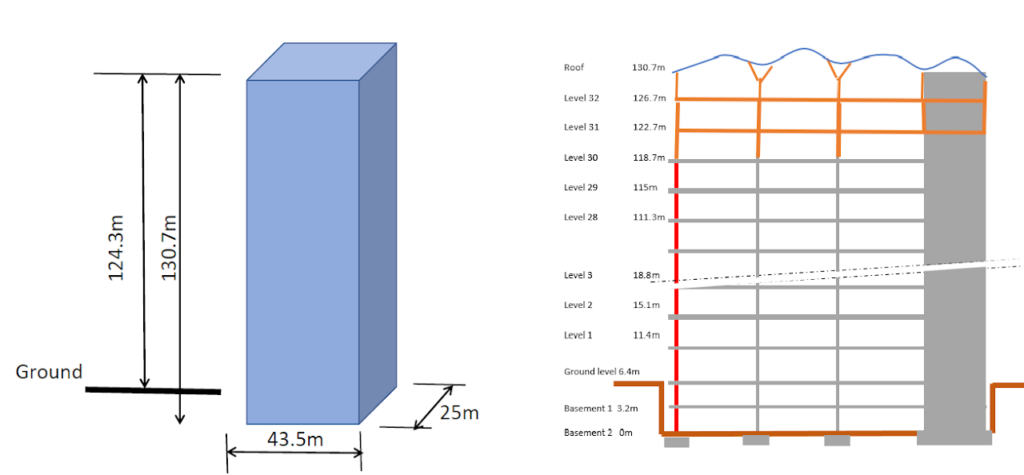
32-Storey Tower (124 m)
Reinforced concrete core (10 m × 10 m, 450 mm) combined with perimeter steel X-bracing to resist lateral loads.
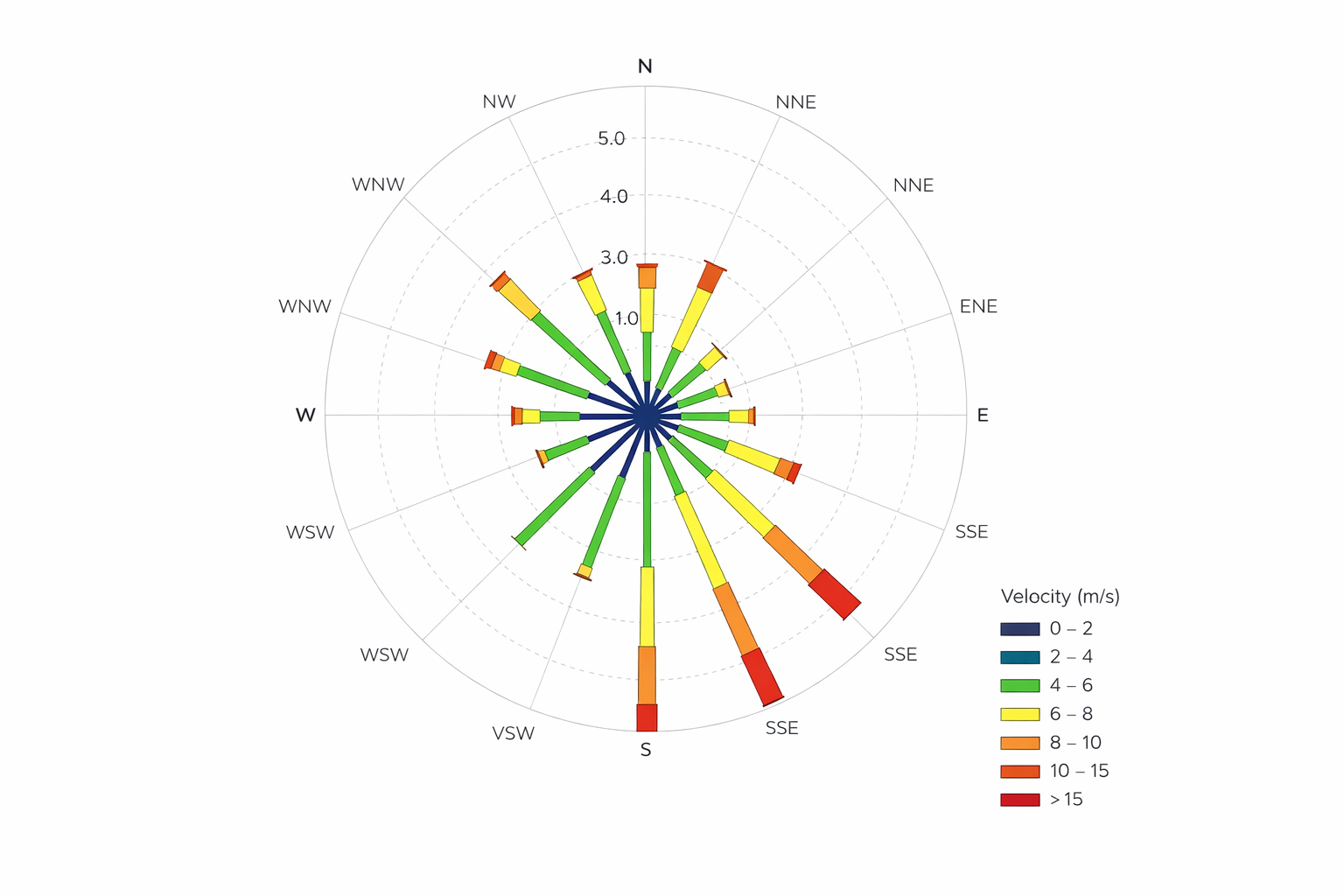
Wind governs design (1000-year return period)
Wind base moment ≈ 376,900 kNm
Seismic base shear ≈ 2% of building weight
Ultimate overturning ≈ ±450,000 kNm
Brace axial force ≈ 4,500 kN
Key Learning: Wind controls high-rise performance in Sydney; core stiffness and bracing configuration are critical for drift and overturning resistance.
Floor System Design
A comparative study was undertaken for three floor systems: post-tensioned (P/T) concrete band beams, composite steel framing with metal deck slab, and mass timber (CLT with glulam beams). Each system was assessed for span capability, structural depth, weight, constructability, and service integration.
The exercise highlighted trade-offs between efficiency and sustainability — with P/T offering reduced depth for long spans, composite steel providing faster erection, and mass timber delivering lower embodied carbon and architectural warmth for upper levels.
Rooftop Canopy – Structural Behaviour Summary
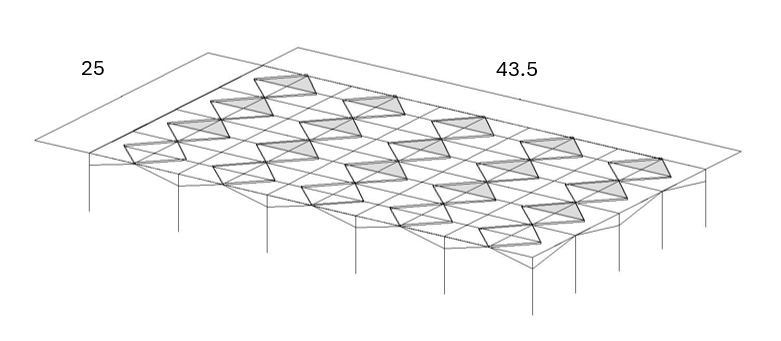
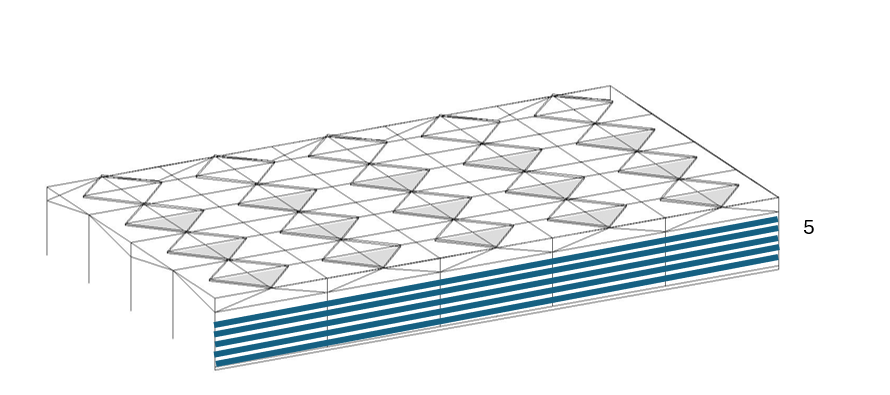
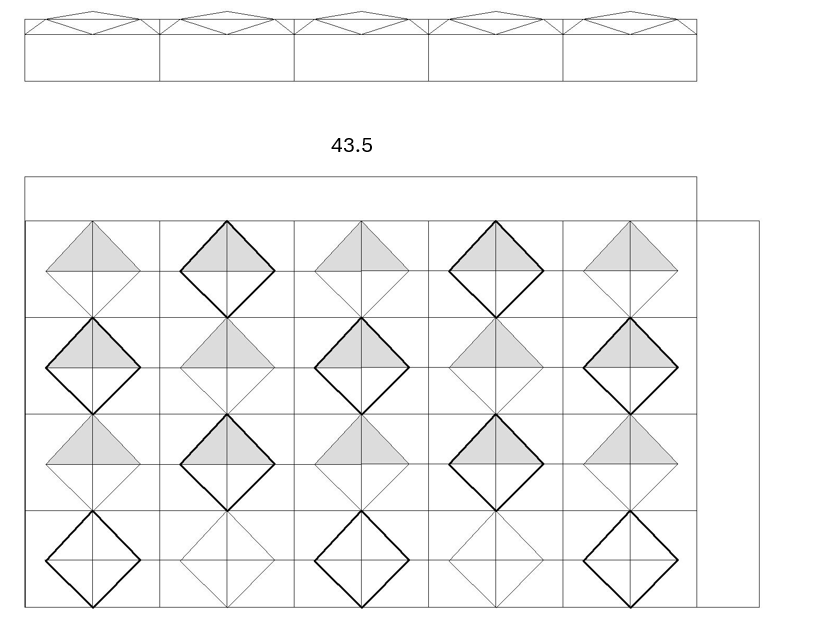
The proposed rooftop canopy is a 43.5 m × 25 m modular glulam structure inspired by PHIVE’s geometric grid logic. The system consists of primary and secondary glulam beams forming diamond-shaped panels supporting solar panels and glass modules.
Key Learning
This project reinforced understanding of:
Load reversal in roof structures
Uplift-critical connection design
Moment and shear redistribution under changing load directions
Importance of anchorage in lightweight canopy systems
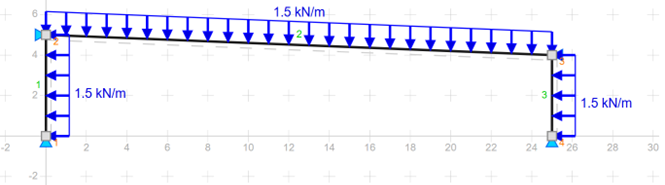
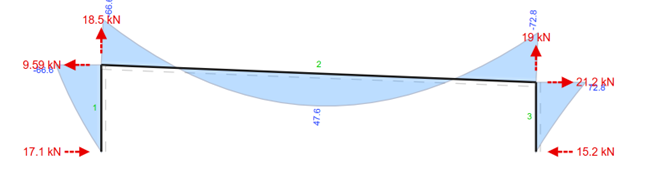
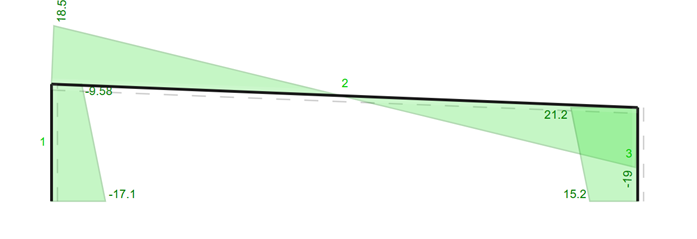
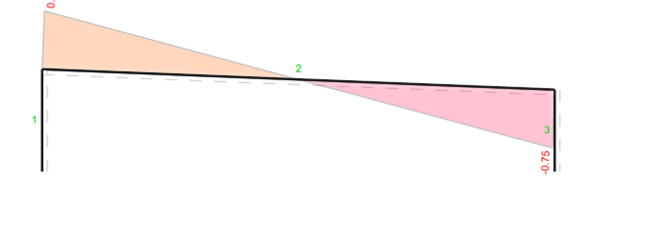
Figure. 5 Bending, shear, and axial force response under downward wind loading (1.5 kN/m), demonstrating sagging behaviour and peak support reactions.
Key Engineering Learning
Wind governs high-rise design in Sydney
Core stiffness controls overturning behaviour
Bracing configuration affects force distribution
Seismic loads can be secondary in low-seismic regions
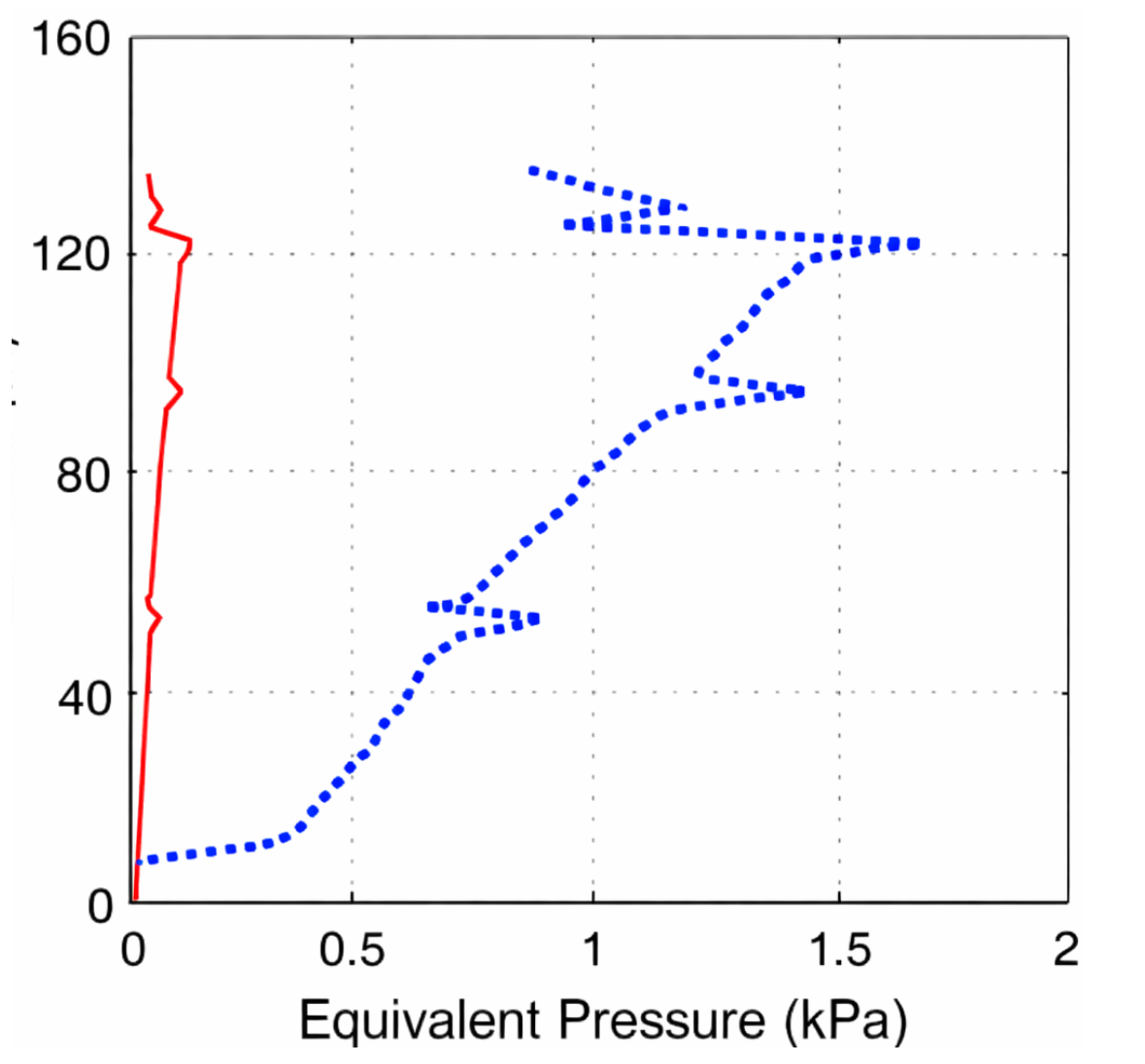
Foundation pressures increase significantly under wind overturning
Load path continuity is critical from roof to rock
Wind tunnel results can optimise conservative code assumptions
Foundation type selection depends on load range and soil condition
get started.
Lorem ipsum dolor sit amet, consectetuer adipiscing elit. Vestibulum erat nulla, ullamcorper nec, rutrum non, nonummy ac, erat.
This is off canvas menu widget area. To enable it add some widgets into Appearance – Widgets – Menu Section, and go to Customizer – Main menu to set the icon position.